Posts

Showing posts with the label Bulk Chemicals

Amines in Everyday Life: From Food Additives to Cleaning Products
Image
Amines   Amines are ubiquitous in our everyday lives, serving a wide range of purposes in various products we encounter on a daily basis. From food additives to cleaning products, amines play essential roles in enhancing our culinary experiences, improving hygiene, and maintaining cleanliness in our surroundings. In the realm of food additives, amines are utilized for various purposes. For instance, they act as flavor enhancers, contributing to the savory and umami taste in foods. Monosodium glutamate (MSG) is a well-known example of an amine-based flavor enhancer. Amines are also used as acidity regulators and pH adjusters, helping to balance the taste and ensure food safety. Additionally, amines function as preservatives in certain food products, inhibiting microbial growth and extending shelf life. The global amines market is projected to reach around US$ 17,675.1 million by the end of 2027, in terms of revenue, growing at CAGR of 3.5% during the forecast period (2020-202...

Enhancing Energy Efficiency with Silicone Sealants in Buildings

Image
  Silicone Sealants In the pursuit of energy efficiency and sustainability, silicone sealants play a crucial role in building construction and maintenance. These versatile sealants offer several benefits that contribute to reducing energy consumption and enhancing the overall efficiency of buildings. One of the primary advantages of silicone sealants in improving energy efficiency is their ability to create airtight seals. Air leakage through gaps, cracks, and joints is a significant source of energy loss in buildings. Silicone sealants effectively seal these areas, preventing the infiltration of outside air and the escape of conditioned air, thereby reducing heating and cooling loads. By minimizing air leakage, buildings can maintain stable indoor temperatures, reduce the strain on HVAC systems, and decrease energy usage. Silicone sealants also contribute to moisture control, another crucial aspect of energy efficiency. Moisture intrusion can lead to mold growth, structural da...

The Role of Graphite in Nuclear Power Generation: Ensuring Safety and Efficiency

Image
  Graphite Graphite plays a vital role in nuclear power generation, contributing to both the safety and efficiency of nuclear reactors. Its unique properties make it an essential material in the construction and operation of nuclear reactors worldwide. One of the key applications of graphite in nuclear power generation is its use as a moderator. Moderators slow down fast neutrons, allowing them to maintain the sustained nuclear fission reactions necessary for power generation. Graphite's ability to effectively slow down neutrons while maintaining its structural integrity makes it an ideal choice for this critical role. Graphite thermal properties also contribute to the safety and efficiency of nuclear reactors. It has high thermal conductivity, which helps to dissipate heat generated by nuclear fuel. This assists in maintaining optimal operating temperatures and prevents overheating, ensuring the safe and efficient operation of the reactor. Moreover, graphite's chemical ...

The Economic Benefits of Investing in Water Treatment Chemicals

Image
Water Treatment Chemicals   Investing in water treatment chemicals offers significant economic benefits that extend beyond the initial cost of implementation. These chemicals play a crucial role in various sectors, including municipal water treatment, industrial processes, agriculture, and wastewater management. Here are some key economic benefits of investing in water treatment chemicals: Cost savings: Proper water treatment can result in substantial cost savings. Water treatment chemicals help prevent scale and corrosion in industrial equipment and plumbing systems, reducing maintenance and repair costs. By extending the lifespan of equipment, businesses can avoid frequent replacements and downtime, leading to improved operational efficiency and reduced expenses. The global water treatment chemicals market was valued at US$ 38.0 Billion in 2022 and is expected to register a CAGR of 6.67% in terms of revenue and is expected to reach US$ 63.7 Billion over the forecast period ...

The Role of Commodity Chemicals in the Energy Sector

Image
  Commodity Chemicals Commodity chemicals are key players in the energy sector, playing a vital role in the production, storage, and utilization of various forms of energy. From fossil fuels to renewable energy sources, commodity chemicals are instrumental in powering our modern world. In this blog post, we delve into the diverse applications of commodity chemicals in the energy sector and their significance in shaping our energy landscape. One of the most prominent areas where commodity chemicals are utilized is in the production and refinement of fossil fuels. Crude oil, a primary source of energy, undergoes complex refining processes that involve the use of commodity chemicals to separate impurities, enhance fuel quality, and produce valuable byproducts. Petrochemicals derived from crude oil, such as ethylene and propylene, are critical in the production of plastics, synthetic fibers, and other materials used in various energy applications. According to Coherent Market Insig...

The Future of Preservatives: Innovations and Trends in Phenoxyethanol Alternatives

Image
Phenoxyethanol As consumer demand for safer and more natural products continues to rise, the future of preservatives is witnessing significant innovations and a shift toward phenoxyethanol alternatives. Several factors drive this trend, including concerns about potential health effects, the desire for cleaner ingredient lists, and a growing focus on sustainability. Let's explore some of the innovative alternatives and trends in the field. Plant-derived preservatives: Extracts from plants such as rosemary, thyme, and oregano are gaining attention for their antimicrobial properties. These natural preservatives offer a more sustainable and consumer-friendly option, often obtained through eco-friendly extraction processes. Global phenoxyethanol market was valued at US$ 167.5 Million in 2021 in terms of revenue, exhibiting a CAGR of 5.9% during the forecast period (2022 to 2030). Ferment-based preservatives: Fermentation technology is being utilized to develop natural preservat...

The Future of Hydroxypropyl Methylcellulose: Innovations and Advancements

Image
  Hydroxypropyl Methylcellulose The future of Hydroxypropyl Methylcellulose (HPMC) holds exciting possibilities with ongoing innovations and advancements in various industries. As a versatile compound, HPMC is continually being explored and developed to address emerging challenges and meet the evolving needs of different applications. In the pharmaceutical industry, HPMC is expected to play a critical role in the development of novel drug delivery systems. Researchers are exploring ways to modify HPMC to create stimuli-responsive formulations that can release drugs in response to specific triggers, such as changes in pH or temperature. This innovation would enable targeted drug delivery, improving efficacy while minimizing side effects. Furthermore, the combination of HPMC with other polymers and nanoparticles holds promise for the development of more complex drug delivery systems, such as nanocarriers and hydrogels. According to Coherent Market Insights the Hydroxypropyl Meth...

The History and Origins of Agar: A Deep Dive into the Science and Culture Behind this Versatile Ingredient

Image
Agar  Agar, also known as agar-agar, is a versatile and valuable substance that has been used in various industries for hundreds of years. Its unique properties have made it a valuable ingredient in the microbiology, food, and cosmetics industries. Agar is extracted from seaweed and has been utilized as a gelling agent since ancient times. In this article, we will take a deep dive into the history and origins of agar, exploring the science and culture behind this versatile ingredient. The history of agar dates back to the 17th century, when it was first discovered in Japan by a Japanese innkeeper named Minoya Tarozaemon. It was in Japan where agar production and utilization for food applications first began, with the production of red algae. It is said that Tarozaemon discovered agar when he noticed the hardening of a pot of red seaweed soup after it was left to cool overnight. This discovery led to the development of a process for extracting agar from red seaweed, which quickly ...

Silicone Fluids are also Highly Resistant to Water and other Liquids

Image
  Silicone Fluids  Silicone fluids, also known as polydimethylsiloxane (PDMS) fluids, are a type of synthetic polymer that is widely used in a variety of industrial and commercial applications. These fluids have unique properties that make them ideal for use in a range of different industries, including automotive, electronics, textiles, and personal care products. In this article, we will discuss the properties and uses of silicone fluids. Properties of Silicone Fluids One of the most notable properties of silicone fluids is their high thermal stability. These fluids can withstand a wide range of temperatures, making them ideal for use in high-temperature applications such as automotive engines and industrial machinery. In addition, silicone fluids are highly resistant to oxidation and do not break down easily when exposed to air or other oxidizing agents. This property allows them to maintain their properties and performance over long periods of time, even in harsh envi...

Alumina trihydrate can cause corrosion and degradation of the materials

Image
  Alumina Trihydrate Alumina trihydrate is a white, crystalline powder that is commonly used as a flame retardant in the manufacturing of various plastic and rubber products. It is a hydrated form of aluminum oxide (Al2O3) and has a molecular formula of Al2O3.3H2O. Alumina trihydrate is often referred to as ATH, and it is one of the most widely used flame retardants in the world due to its low cost and high efficacy. Alumina Trihydrate is a highly reactive substance that is known for its ability to absorb and neutralize heat, which makes it an excellent flame retardant. When ATH is exposed to high temperatures, it rapidly releases water vapor, which creates a barrier between the heat source and the material being protected. This barrier helps to reduce the spread of flames and reduces the risk of fire. Alumina Trihydrate is commonly used in a variety of applications, including electrical and electronic components, plastics, rubber, and textiles. For example, ATH is often adde...

Ethanolamines are also used in various cosmetics and personal care industry for manufacturing

Image
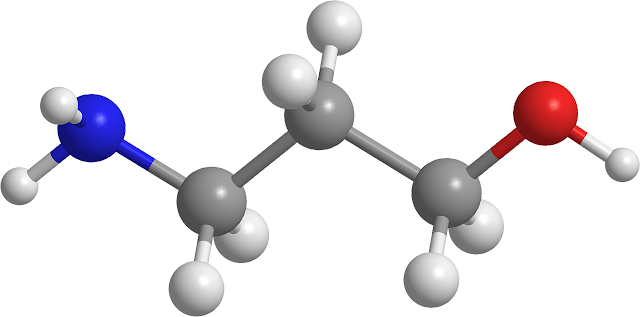
  Ethanolamines Market Ethanolamines are a group of organic compounds that contain an amino group (-NH2) and a hydroxyl group (-OH) linked to the same carbon atom. They are also known as alkanolamines. The three main types of ethanolamines are monoethanolamine (MEA), diethanolamine (DEA), and triethanolamine (TEA). MEA, also known as 2-aminoethanol, is a colorless liquid with a slight ammonia-like odor. It is used in a wide range of industrial applications, such as in the production of cosmetics, cleaning products, and lubricants. It is also used as a neutralizing agent and pH adjuster in water treatment and as a corrosion inhibitor in oil and gas production. The global ethanolamines market size is estimated at US$ 2.99 billion (revenue) and 1840.96 kilo tons (volume) in 2016 and is expected to expand at a CAGR of 4.4% in terms of revenue and 3.6% in terms of volume during the period 2017 – 2025. DEA, also known as 2,2'-iminodiethanol, is a colorless liquid with a slight ...

Petrochemicals are chemical compounds derived from hydrocarbons, mainly crude oil and natural gas

Image
  Petrochemicals Although many of the same chemical compounds can also be obtained from other fossil fuels like coal and natural gas or from renewable sources like corn, sugar cane, and other types of biomass, petrochemicals are chemical products that are derived from petroleum. Processing of oil and related petroleum gas in multiple phases is necessary for petrochemical production. Products from the refining of petroleum oil are important raw materials in the petrochemical industry. Ethylene, propylene, and benzene are examples of petrochemical products. Also included are source monomers for synthetic rubbers and inputs for technical carbon. After several refinement processes, the second-level products produced from crude oil are petrochemical and petroleum products. Petrochemicals are a component of our societies' fabric and can be found in a wide range of contemporary products. Petrochemicals are used to create countless everyday items, including clothing, tyres, digital gadg...

A Raw Material for the Manufacture of other Methacrylates is Methyl Methacrylate

Image
  Methyl Methacrylate Methyl methacrylate (MMA) is a polymerized form of resins or organic materials that is mostly used to make polymethyl methacrylate acrylic plastics (PMMA) and methyl methacrylate-butadiene-styrene (MBS). It was also employed as a PVC modifier later on. MMA is a colourless, volatile, combustible liquid that is soluble in warm water. It has an unpleasant odour. Acrylics are classified into two types based on the original monomer from which the polymer was formed: acrylates and methacrylates. A methyl group is connected to the carbon-carbon chain of a methacrylate polymer molecule in Methyl Methacrylate , whereas a hydrogen atom is located in the carbon-carbon chain of an acrylate. Saponification, or alkali breakdown, is resistant to Methyl Methacrylate copolymerization, such as poly(methyl methacrylate). As a result, it is a highly attractive polymer for coating zinc substrates or other surfaces that may be exposed to alkali conditions. To create a viable p...

Cosmetics and Personal Care Products also Contain Ethanolamines

Image
  Ethanolamines Market Ethanolamine, commonly known as 2-aminoethanol or monoethanolamine, is an organic chemical molecule that is both a main amine and a primary alcohol. The substance is known to be corrosive, combustible, poisonous, colourless, and viscous, and it is utilised in solutions and dispersions for scrubbing acids, as a feedstock material in the manufacture of detergents, emulsification agents, and other chemical intermediaries. Ethanolamines are chemical compounds with the colourless, viscous HOCH2CH2NH2 molecular formula. These are utilised as a raw material to produce monoethanolamines (MEA), diethanolamines (DEA), and triethanolamines (TEA), which are widely used to make emulsifiers, detergents, polishes, chemical intermediates, corrosion inhibitors, and medicines. Due to the amino group in its molecule, ethanolamine, also known as 2-aminoethanol or monoethanolamine, is an organic chemical compound that is both a primary amine and a primary alcohol (due to a h...

What s Organic Chemicals? What Do Organic Chemicals Do?

Image
  Organic Chemicals The study of carbon-containing molecules' structure, characteristics, content, reactions, and synthesis is known as organic chemistry. The majority of organic compounds are composed of carbon and hydrogen, though they can also contain a variety of additional elements (e.g., nitrogen, oxygen, halogens, phosphorus, silicon, sulfur). Organic chemistry has expanded to include the study of molecules manufactured by humans after being initially restricted to compounds produced by living things. Chemical engineers can design and investigate new molecules and compounds thanks to the very creative field of organic chemistry. The majority of an organic chemist's time is spent creating new chemicals and improving the synthesis of already existing ones. We are surrounded by organic substances. Many contemporary materials contain organic chemicals , at least in part. In addition to being fundamental to the fields of biochemistry, biotechnology, and medicine, they are...

Ethanol Reforming is considered as a Very Interesting Process for Hydrogen Production

Image
  Ethanol  A hydroxy group is swapped for one of the hydrogens in the primary alcohol ethanol, which is ethane. It functions as an antiseptic, a polar solvent, a neurotoxic, a depressant of the central nervous system, a teratogen, a protein kinase C agonist, a disinfectant, a human metabolite, a mouse metabolite, a Saccharomyces cerevisiae metabolite, and an Escherichia coli metabolite. It belongs to the family of ethanols, is a primary alcohol, an alkyl alcohol, a volatile organic molecule. It is an ethoxide's conjugate acid. The production of ethanol from plant fibre will be made economically feasible by new technology. It is consequently possible to harvest some of the agricultural and forestry wastes (corn stover, stalks, leaves, and branches) that are now burned or left in the field for biofuel production. Connecting the established corn ethanol sector with the nascent technologies that create ethanol from biomass and agricultural wastes will have numerous advantages. ...

Liquefied natural gas and petroleum are the main sources of petrochemicals

Image
  Petrochemicals Numerous compounds are included in petrochemicals, which are made of hydrocarbons. They are frequently referred to as compounds made from natural gas and crude oil and used for industrial applications. They might also contain substances derived from plants, such as chemicals. Consumer goods like aspirin, detergents, shampoo, insecticides, milk jugs, gasoline, carpeting, synthetic fibres and rubbers, insulating materials, paints, polyester clothing, automobiles, and other items are made using petrochemicals. Liquefied natural gas and petroleum are the main raw materials used to make petrochemicals . Liquefied natural gas creates petrochemicals like ethylene, propylene, butylenes, and butadiene at high temperatures. Similar compounds, including aromatic petrochemicals like benzene, are also produced by crude oil. Hydrocarbon molecules are split up into usable components by a process called cracking. With the aid of a catalyst, such as silicon dioxide and aluminiu...

Sulfuric Acid Is Used in the Production of Phosphate Fertilizers such as Monoammonium Phosphate

Image
  Sulfuric Acid  Chemically, sulfuric acid is quite reactive. Upon touch, it might react with tissues and cells. Sulfuric acid can induce everything from tissue irritancy to chemical burns and necrosis. Tissue injury at the point of contact is one of the signs and symptoms of exposure. If not appropriately treated, tissue damage can persist for hours or even days after contact. It starts to happen within seconds of exposure. The strength (molar concentration) of the sulfuric acid solution and the dose administered all affect how much and how quickly tissue is damaged. In numerous industries, sulfuric acid is employed. It's employed in the production of various chemicals, glue, and explosives, in the refinement of petroleum, in the curing of metal, and in lead-acid automobile batteries. Employers are advised by NIOSH to use the Hierarchy of Controls to prevent or minimise worker exposures. If you operate in a sector that makes use of sulfuric acid, familiarise yourself wit...

Monoisopropanolamine; Used In Several Applications to Attain Basicity, Buffering, and Alkalinity Objectives

Image
Monoisopropanolamine (MIPA), also known as isopropanolamine, is a chemical used in many applications serving as a stabilizer, an emulsifier, a neutralizer, and chemical intermediate that achieves buffering, basicity, and alkalinity objectives. MIPA is a colorless, clear liquid that is completely miscible with water, benzene, and alcohol. MIPA has the lowest molecular weight of the three standard isopropanolamines. Monoisopropanolamine is an organic compound that is used as a reactive agent, pH regulator, and acidic herbicide neutralizer. The global monoisopropanolamine market size is expected to witness potential gains in the future and register a significant CAGR of 4.2% over the forecast period (2019 - 2027). Monoisopropanolamine Market Monoisopropanolamine-based formulations exhibit better color stability, thermal stability, and better oil solubility compared to conventional ethanolamines. MIPA serves as good solubilizer of oil and fat, entails lower formulation costs, and off...

Medical Management Guidelines for Crotonaldehyde and health effects

Image
Crotonaldehyde is a transparent, colourless to pale yellow liquid with a pungent odour. 2-Butenal and 3-Methylacrolein are two other names for it. It is exceedingly combustible at room temperature and emits poisonous fumes. Crotonaldehyde can be found in minute levels in numerous foods, as well as in the emissions of particular flora and volcanoes. Crotonaldehyde is commercially generated through aldol condensation of acetaldehyde. It has a low water solubility. However, it dissolves readily in organic solvents such as alcohols and ether. Crotonic acid and sorbic acid are largely made from crotonaldehyde through oxidation. According to the " Coherent Market Insights " Global Industry Insights, Trends, Outlook, and Opportunity Analysis of Crotonaldehyde Market . Crotonaldehyde Market People who are simply exposed to crotonaldehyde vapour do not represent a risk of subsequent contamination. People with liquid crotonaldehyde on their clothing or skin can inadvertently cont...