Posts

Showing posts with the label Biotechnology

The Basics of Oligonucleotide Synthesis: A Comprehensive Guide

Image
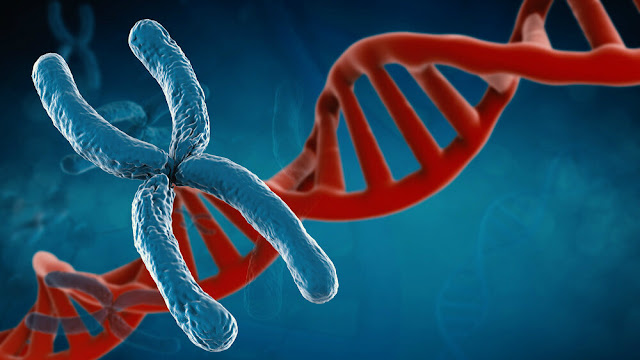
Oligonucleotide Synthesis    Oligonucleotide synthesis is a fundamental technique used in molecular biology and biotechnology to produce short sequences of nucleic acids. These synthetic oligonucleotides are invaluable tools in various applications, including research, diagnostics, and therapeutic development. This comprehensive guide aims to provide a clear understanding of the basics of oligonucleotide synthesis, outlining the key steps and techniques involved. Importance of Oligonucleotide Synthesis: Oligonucleotides serve as essential building blocks for DNA and RNA analysis. They are used as primers for PCR, probes for hybridization-based assays, templates for DNA sequencing, and therapeutic agents in gene editing and gene silencing approaches. Oligonucleotide synthesis enables researchers to design and produce these customized sequences with precision and control. The global oligonucleotide synthesis market is estimated to be valued at  US$ 2,874.1 Million ...
Revolutionizing Healthcare: Middle East and Asia Pacific Biotechnology Breakthroughs

Image
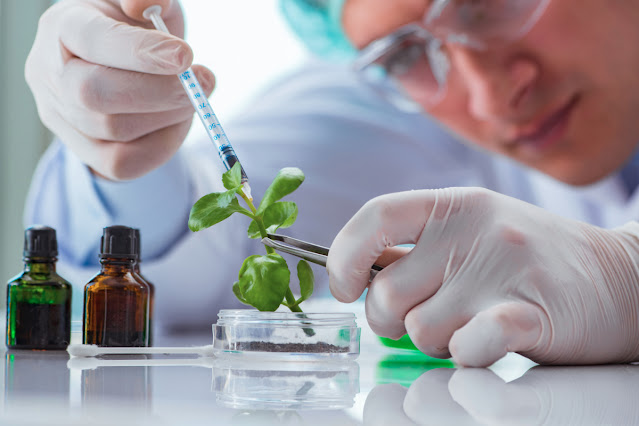
Middle East and Asia Pacific Biotechnology    In recent years, the Middle East and Asia Pacific regions have witnessed remarkable breakthroughs in biotechnology, revolutionizing the healthcare landscape. These advancements in biotechnology are transforming the diagnosis, treatment, and prevention of diseases, improving patient outcomes, and offering new avenues for personalized medicine. One area where Middle East and Asia Pacific biotechnology has made significant strides is in the field of genomics. Researchers in these regions have been at the forefront of genome sequencing initiatives, unraveling the genetic basis of various diseases prevalent in the population. These breakthroughs have paved the way for personalized medicine, where treatments are tailored to an individual's genetic makeup, leading to more effective and targeted therapies. The Middle East and Asia Pacific biotechnology market is estimated to be valued at  US$ 249.8 Bn  in 2022 and expected t...

The Future of Genomics: Advancements and Breakthroughs on the Horizon

Image
Biotechnology Genomics, the study of an organism's complete set of DNA, has made significant strides in recent years, transforming various fields such as medicine, agriculture, and biotechnology. As we look to the future, the potential for further advancements and breakthroughs in genomics is immense, promising to revolutionize our understanding of life and reshape how we approach healthcare, food production, and more. One area that holds tremendous promise is the application of genomics in personalized medicine. As genomic sequencing becomes faster and more affordable, we can expect greater integration of genomic information into routine clinical practice. This will enable healthcare providers to make more accurate diagnoses, develop tailored treatment plans, and predict disease risk with greater precision. Advancements in technologies such as gene editing, gene therapies, and targeted drug delivery systems will further enhance the potential of genomics in personalized medicine....

The Future of Molecular Cytogenetics: Emerging Technologies and Potential Breakthroughs

Image
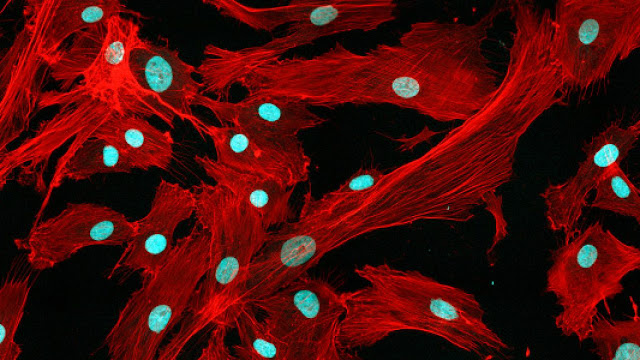
  Molecular Cytogenetics Molecular cytogenetics has revolutionized the field of genetics by providing detailed insights into chromosomal abnormalities and genetic variations. As technology continues to advance at a rapid pace, the future of molecular cytogenetics holds tremendous promise. In this blog, we will explore the emerging technologies and potential breakthroughs that are shaping the future of this field. Next-Generation Sequencing (NGS): Next-generation sequencing has already transformed many areas of genomics, and its application in molecular cytogenetics is on the horizon. NGS can provide comprehensive information about chromosomal structure, gene expression, and epigenetic modifications. This technology has the potential to revolutionize genetic diagnosis by enabling simultaneous analysis of multiple genes, leading to faster and more accurate results. The global molecular cytogenetics market is estimated to be valued at US$  4,211.4 million in 2023 and is ex...

Rabies Vaccine for Humans: Who Should Get Vaccinated and Why?

Image
  Rabies Vaccine Rabies is a deadly viral disease that affects the central nervous system and is primarily transmitted through the bite or scratch of an infected animal. Once symptoms appe ar, rabies is almost always fatal. However, the rabies vaccine has proven to be highly effective in preventing the disease if administered promptly after exposure or as a preventive measure for high-risk individuals. Understanding who should get vaccinated and why is crucial in preventing the spread of rabies and protecting public health. Individuals at high risk of exposure to rabies should consider getting vaccinated. This includes individuals who work closely with animals, such as veterinarians, animal control workers, and wildlife professionals. People who frequently handle bats or other wildlife species that are known to carry the virus are also at increased risk. Additionally, individuals living in or traveling to regions with a high incidence of rabies should consider vaccination. Acco...

Unlocking the Power of Neurological Biomarkers: A Guide for Researchers and Clinicians

Image
Neurological Biomarkers Neurological biomarkers are becoming increasingly important tools for researchers and clinicians in the diagnosis, treatment, and monitoring of neurological disorders. Biomarkers are measurable indicators of a biological process, and in the case of neurological biomarkers, they provide insights into the functioning of the nervous system. Unlocking the power of these biomarkers requires a deep understanding of their potential and limitations. The use of neurological biomarkers has already had a significant impact on the field of neurology. For example, biomarkers have been used to improve the accuracy of diagnosis for conditions such as Alzheimer's disease, Parkinson's disease, and multiple sclerosis. They have also been used to track disease progression and response to treatment, as well as to identify individuals who are at risk of developing neurological disorders. The global neurological biomarkers marke t is estimated to be valued at US$ 8,979.6...

The Importance of Quality Control in Viral Vector and Plasmid DNA Testing Services

Image
  Viral Vector and Plasmid DNA Testing Services  Gene therapy has emerged as a promising field that holds the potential to cure a wide range of genetic and acquired diseases. This therapeutic approach relies on the delivery of therapeutic genes to the target cells using vectors, such as viral vectors and plasmid DNA. Viral vector and plasmid DNA testing services play a critical role in ensuring the quality and safety of gene therapy products. Quality control in these services is essential to detect any impurities, contaminants, or defects in the vectors, which may affect the efficacy and safety of the gene therapy products. Quality control in viral vector and plasmid DNA testing services involves a series of essays and tests to assess the purity, potency, identity, and stability of the vectors. These tests are designed to meet the regulatory requirements and standards set by the FDA and other regulatory agencies. The quality control tests can be broadly classified into thre...

Everything you should know about the Autologous Stem Cell and Non-Stem Cell Based Therapies

Image
  Autologous Stem Cell and Non-Stem Cell Based Therapies Stem cells are a unique type of cell that can differentiate into different types of cells in the body. They are important in the development and repair of tissues and organs. Stem cells can be categorized into two main types: embryonic stem cells and adult stem cells. Embryonic stem cells are derived from embryos, while adult stem cells are found in various tissues throughout the body, such as bone marrow, adipose tissue, and blood. Autologous stem cell therapy is a type of stem cell therapy that involves using the patient’s own stem cells for treatment. Non-stem cell-based therapies, on the other hand, do not involve the use of stem cells. According to Coherent Market Insights the Autologous Stem Cell and Non-Stem Cell Based Therapies Market Global Industry Insights, Trends, Outlook, and Opportunity Analysis, 2022-2028 Autologous stem cell therapy involves harvesting stem cells from the patient’s own body, usually from...

Graft versus Host Disease (GVHD) is a rare disorder that can strike persons whose immune system is deficient

Image
  Graft Versus Host Disease (GvHD) Allogeneic stem cell transplantation and reduced-intensity allogeneic stem cell transplantation both carry the risk of graft-versus-host disease (GVHD). A patient receives stem cells from a donor or donated umbilical cord blood during an allogeneic stem cell transplant. When the recipient's healthy cells (the host) are attacked and damaged by the donor's T cells (the graft), it results in GVHD. Mild, moderate, or severe graft-versus-host disease are all possible. It might even be fatal in some circumstances. According to Coherent Market Insights the Graft Versus Host Disease (GvHD) Market Global Industry Insights, Trends, Outlook, and Opportunity Analysis, 2022-2028 A patient undergoing an allogeneic stem cell transplant will receive some form of GVHD prevention, unless the patient's donor is an identical twin. This might entail taking T cells out of the donor graft or giving the graft's T cells medication to suppress them so the...

Modern Healthcare Relies Heavily on the Microbiome Because of its Multiple Functions

Image
  Human Microbiome  Despite having nearly identical genetics, there is a huge diversity of phenotypes among humans due to the minute variations in our DNA. In contrast, the human microbiome's metagenome—the total amount of DNA found in the microbes that live inside our bodies is much more variable, with the majority of healthy people only sharing a third of its constituent genes. Thus, since at least the 1960s through the Human Microbiome Project and beyond, comprehending this variability in the "healthy microbiome" has been a significant challenge in microbiome research. The Global Human Microbiome Market is estimated to be valued at US$ 91,075.4 Mn in 2021 and is expected to exhibit a CAGR of 18.9% over the forecast period (2021-2028). A single microbe, such as a bacteria, fungus, or virus, was identified, isolated, and cultured in the past for the purpose of studying human microbiome . These pathogen-fighting therapies and medications were developed by scientist...

Natural Killer Cells are a Form of Granular Lymphocytes of Varying Sizes

Image
  Natural Killer Cells Natural killer cells undergo positive and negative selection to weed out self-targeting cells as they develop in the primary lymphoid tissue of the bone marrow. When fully developed, they relocate to secondary lymphoid tissues where they go through terminal maturation. Both stimulatory and inhibitory receptors, such as killer cell immunoglobulin like receptors (KIR) and NKG2D, are present on mature NK cells and regulate the activity of the cell. It is known that there are over 20 activating receptors that are used to identify proteins that are not typically found on a cell's surface. Self-MHC I proteins are primarily recognised by inhibitory receptors. This is due to the fact that numerous virus types have developed immunological evasion mechanisms by downregulating MHC class I, which prevents the immune system from recognising their viral antigens. According to Coherent Market Insights the Natural Killer Cells Market Global Industry Insights, Trends, Ou...

The Mesenchymal Stem Cells Play an Important Role within an Organism for Suppression of Immune Cells Activation

Image
  Mesenchymal Stem Cells The capacity for self-renewal and lineage-specific differentiation are two characteristics of stem cells. Adult stem cells and embryonic stem cells are the two main categories of stem cells that have been discussed. The use of human ESCs raises ethical and legal questions because they are derived from the inner cell mass of the blastocyst and are linked to tumorigenesis. Regarding these issues, using adult mesenchymal stem cells is less problematic. Mesenchymal stem cells (MSCs) are stromal cells with multilineage differentiation and the capacity to self-renew. MSCs can be extracted from many different tissues, including the umbilical cord, adipose tissue, menstrual blood, endometrial polyps, etc. According to Coherent Market Insights the Mesenchymal Stem Cells Market Global Industry Insights, Trends, Outlook, and Opportunity Analysis, 2022-2028. This is because these sources are most useful for experimental and potential clinical applications because...

Natural Killer Cells are a Form of Granular Lymphocytes of Varying Sizes that Play an Important Role in Innate Immunity in the Human Body

Image
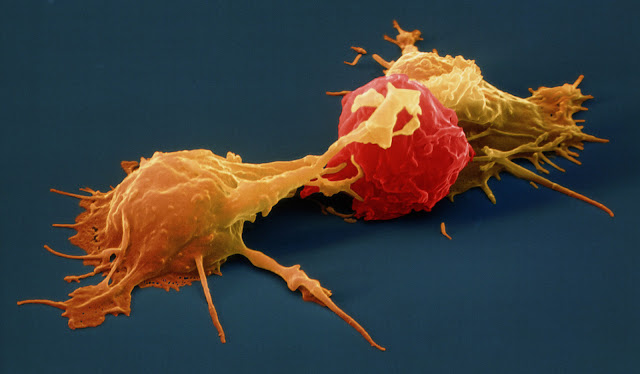
  Natural Killer Cells Natural Killer (NK) Cells are lymphocytes that share a common progenitor with T and B cells and belong to the same family. However, NK cells are categorised as group I Innate Lymphocytes (ILCs), which are cells of the innate immune system, and they react fast to a wide range of pathogenic stimuli. NK cells are well recognised for destroying virally contaminated cells as well as for spotting and managing early cancer indications. Specialized NK cells are present in the placenta and may be crucial throughout pregnancy in addition to defending against illness. Natural killer cells , also referred to as NK cells or large granular lymphocytes (LGL), are a subset of cytotoxic lymphocytes important for the innate immune system that make up between 5-20% of all circulating lymphocytes in humans. They are members of the rapidly growing family of known innate lymphoid cells (ILC). In the vertebrate adaptive immune response, the function of NK cells is comparable to t...

Four Major Intellectual Agendas Gave Rise to Synthetic Biology

Image
  Synthetic Biology The goal of synthetic biology is to make it simpler to engineer biology. Synthetic biology brings together developments in chemistry, biology, computer science, and engineering to let us create products more quickly, cheaply, and precisely than ever before. It can be viewed as a biology-based "toolkit" that changes how we create biological systems and broadens the spectrum of potential products through abstraction, standardisation, and automated construction. These new foundations for numerous industries, including medicine, energy, and the environment, have been developed by a community of specialists from various fields. Four distinct intellectual agendas gave rise to synthetic biology . The first is the scientific notion that the capacity to piece together a working system from its constituent components serves as a practical test of understanding. Through the use of synthetic biology, researchers are testing theories about how life functions by creat...

Various Lab Techniques and Enzymes are used to manipulate Recombinant DNA

Image
  Recombinant DNA Technology Market  When a genetically altered vector is introduced and integrated into the genome of an organism (host), the phenotypic of the organism (host) is changed. Essentially, this procedure entails inserting a foreign DNA structure into the genome that contains our gene of interest. The recombinant gene is introduced, and the procedure is referred to as recombinant DNA technology.   What is Recombinant DNA Technology? Recombinant DNA Technology is a method for creating artificial DNA by combining genetic resources (DNA) from various sources. Genetic engineering is the term for recombinant DNA technology. In 1968, Swiss microbiologist Werner Arber discovered restriction enzymes, which paved the way for recombinant DNA technology . It's not as simple as it sounds to get the desired gene into the host's genome. It entails choosing the appropriate gene for administration into the host, as well as the ideal vector into which the gene must be in...

ALL and certain types of non-lymphoma cancer in adults are treated with CAR T Cell Therapy

Image
  CAR T Cell Therapy Market CAR T-cell treatment stands for chimeric antigen receptor T-cell therapy. T-cell therapy is a sort of treatment in which a patient's T cells (a type of immune cell) are genetically modified to bind to cancer cells and kill them. Blood runs through a tube from a vein in the patient's arm to an apheresis machine (not shown), which filters out the white blood cells, including T cells, and returns the remainder of the blood to the patient. Then, in the lab, the gene for a particular receptor known as a chimeric antigen receptor (CAR) is injected into T cells. Thousands of CAR T cells are generated in the lab before being infused into the patient. The CAR T cells can connect to and kill cancer cells by binding to an antigen on their surface. The global Car T Cell therapy market is estimated to be valued at US$ 1,085.0 million in 2021 and is expected to exhibit a CAGR of 24.5% during the forecast period (2021-2028). CAR T-cell therapy, or chimeric ant...

What is Artificial Blood and what are Advantages of Artificial Blood?

Image
  Artificial Blood Market Artificial blood is a cutting-edge transfusion medicine idea in which specially made chemicals replace allogenic human blood transfusion by transporting and delivering oxygen throughout the body. Several compounds have been created in recent decades to fulfil this goal, and ongoing improvements are being made in the search for the perfect blood substitute. Artificial blood is now made using haemoglobin derived from old human/bovine blood (Haemoglobin Based Oxygen Carriers) or perfluorocarbons. These synthetic blood substitutes offer the advantages of not requiring compatibility testing, being free of blood-borne pathogens, having a long shelf life, and not requiring refrigeration. Artificial blood is expected to have a major impact on medical care development in the future. It has the potential to supplement current blood products for transfusion while also ensuring a steady supply of safe and effective goods. It is projected to dramatically reduce the n...

What are the Applications of Genomics?

Image
  Genomics Market Rare monogenic disorders: gene discovery and diagnosis Clinicians of all specialties can use genomic technologies to diagnose patients with high-risk genetic flaws that cause disease. Researchers are employing these approaches to discover novel genes that cause genetic disease at an incredible rate - there are currently over 4000 diseases with a single genetic cause, up from roughly 50 in 1990. Genetic variables that contribute to prevalent diseases are being identified and diagnosed. Genomic technologies are rapidly being employed to better understand the role of rare and common genetic variables in the development of common diseases like hypertension, diabetes, and cancer. According Coherent Market Insights the Genomics Market Global Industry Insights, Trends, Outlook, and Opportunity Analysis, 2019 – 2026. Targeted therapy and pharmacogenetics Genetic information can be used to predict whether or not a person will respond to a drug, how well they will r...

Things to know about the Electrophoresis

Image
  Electrophoresis Market What is Electrophoresis? Electrophoresis is an electrokinetic method that uses an electrical charge field to separate charged particles in a fluid. It's most commonly employed in life sciences to separate protein molecules or DNA, and depending on the type and size of the molecules, it can be done in a variety of ways. Although the techniques vary in certain areas, they all require an electrical charge source, a support medium, and a buffer solution. In laboratories, electrophoresis is used to separate molecules depending on their size, density, and purity. The global electrophoresis market is estimated to be valued at US$ 2,786.3 Mn in 2021 and is expected to exhibit a CAGR of 5.6 % over the forecast period (2021-2028).   How does it work? An electric field is supplied to molecules, which results in a force acting on them because they are electrically charged. The larger the charge of the molecule, the greater the force produced by the elec...

CAR T-cell Therapy and Its Side Effects

Image
  CAR T Cell Therapy Market CAR T-cell therapy is a sort of treatment in which a patient's T cells (a type of immune system cell) are genetically modified to attack cancer cells in the lab. T cells are extracted from the blood of a patient. The gene for a particular receptor that attaches to a specific protein on the cancer cells of the patient is then introduced to T cells in the lab. A chimeric antigen receptor is a unique type of receptor (CAR). CAR T cells are generated in large numbers in the lab and then infused into the patient. CAR T-cell therapy is used to treat specific types of blood malignancies, and it is also being researched for other cancers. Chimeric antigen receptor T-cell therapy is another name for it. The global Car T Cell therapy market is estimated to be valued at US$ 1,085.0 million in 2021 and is expected to exhibit a CAGR of 24.5% during the forecast period (2021-2028). CAR T-cell treatment stands for chimeric antigen receptor T-cell therapy. T-cell...