Posts

Showing posts with the label Automotive and Transportation

Empowering Prosumers with Vehicle-to-Grid Technology: The Future of Energy Trading
Image
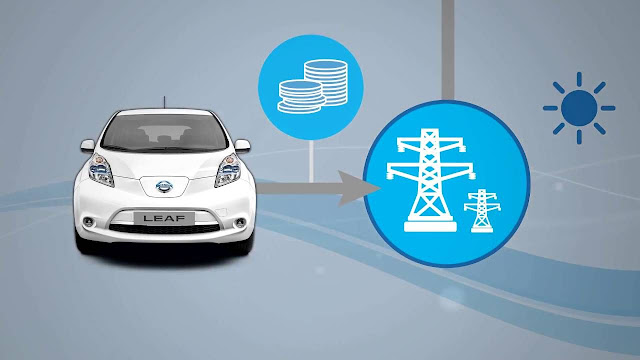
Vehicle To Grid Technology   The rise of vehicle-to-grid (V2G) technology has the potential to revolutionize the energy trading landscape, empowering prosumers and shaping the future of the energy market. Prosumers, individuals or entities that both consume and produce energy, can leverage V2G technology to actively participate in energy trading, creating a more decentralized and democratized energy ecosystem. Traditionally, prosumers have been limited to generating and consuming energy within their own premises. However, V2G technology enables them to become active participants in the broader energy market. By connecting their electric vehicles (EVs) to the grid, prosumers can offer their vehicle's battery capacity as a valuable energy resource. The global vehicle to grid technology market is estimated to be valued at US$ 119.1 million in 2023 and is expected to exhibit a CAGR of 43.9% between 2023 and 2030. Through V2G-enabled smart charging and discharging, prosumers can ...
The Environmental Benefits of Truck Platooning: A Sustainable Solution

Image
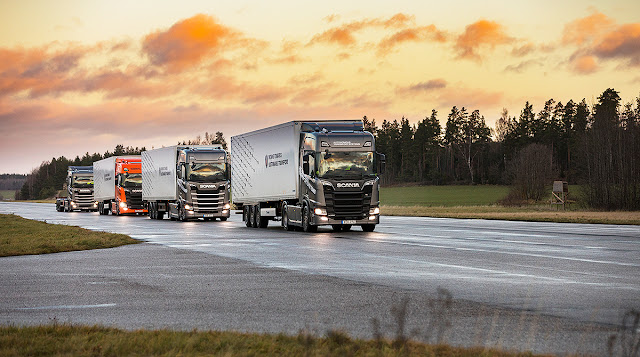
  Truck Platooning The environmental benefits of truck platooning are significant, making it a sustainable solution for the transportation industry. By optimizing vehicle efficiency and reducing emissions, truck platooning contributes to a greener and more sustainable future. Here are some key environmental benefits of truck platooning: Reduced Fuel Consumption: Truck platooning improves fuel efficiency by reducing aerodynamic drag and optimizing vehicle spacing. When trucks travel in close formation, they experience reduced air resistance, leading to lower fuel consumption. Studies have shown that platooning can result in fuel savings of up to 10% for the trailing vehicles and around 4-5% for the lead vehicle. This reduction in fuel consumption translates into decreased greenhouse gas emissions and a more sustainable transportation system. The global truck platooning market size is estimated to be valued at US$ 2.52 Billion in 2023 and is expected to exhibit a CAGR of 30.1% ...

Car Rack Safety Tips: Ensuring a Secure Load

Image
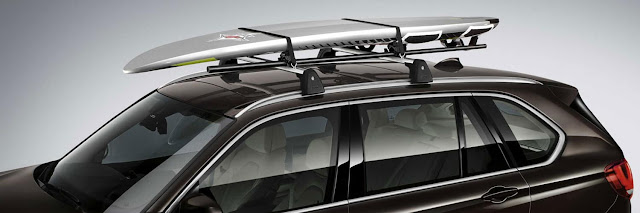
  Car Rack  When it comes to using a car rack for transporting gear and equipment, safety should be a top priority. Properly securing your load on the car rack is essential to prevent accidents, damage to your belongings, and potential harm to others on the road. Follow these car rack safety tips to ensure a secure load: Choose a sturdy and reliable car rack: Invest in a high-quality car rack that is designed to handle the weight and size of your equipment. Ensure that it is compatible with your vehicle and properly installed according to the manufacturer's instructions. Distribute the weight evenly: Balance the load on your car rack by distributing the weight evenly. Place heavier items towards the center and lighter items towards the edges to maintain stability and prevent the rack from tipping or swaying. The global car rack market size is estimated to be valued at US$ 1,213.5 Million in 2021 and is expected to exhibit a CAGR of 4.9% between 2022 and 2030. Secure...

The Role of Transmission Control Modules in Automotive Transmission Systems

Image
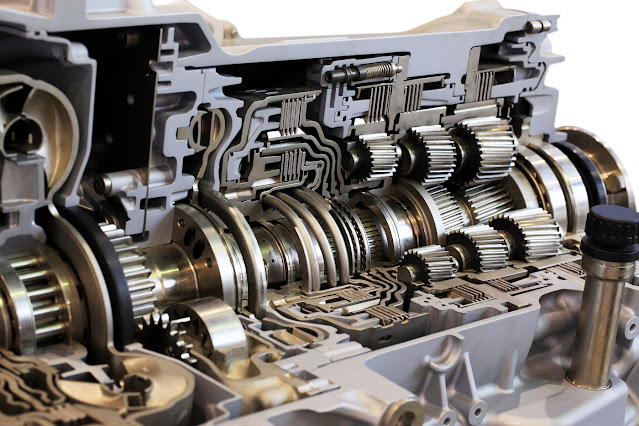
Automotive Transmission Systems In modern automotive transmission systems, the transmission control module (TCM) plays a vital role in managing the operation and functionality of the transmission. The TCM serves as the brain behind the transmission system, using advanced electronics and software to monitor, control, and optimize its performance. One of the primary functions of the TCM is to receive input signals from various sensors located throughout the vehicle. These sensors provide critical data such as vehicle speed, engine speed, throttle position, gear selection, and more. The TCM processes this information to determine the optimal gear shifts, taking into account factors such as engine load, road conditions, and driver behavior. Based on the input signals and programmed algorithms, the TCM controls the shifting of gears within the transmission. It engages the appropriate solenoids or actuators to activate clutches, bands, and valves, ensuring smooth and precise gear changes...

Aerodynamics and Car Racks: How to Reduce Wind Resistance for Improved Fuel Efficiency?

Image
  Car Rack Carrying gear on a car rack can significantly impact the aerodynamics of a vehicle. Poor aerodynamics result in increased wind resistance, which can reduce fuel efficiency and increase drag. However, with a few adjustments and considerations, it is possible to minimize the negative effects of car racks on aerodynamics and improve fuel efficiency. Choose an Aerodynamic Car Rack: When selecting a car rack, opt for models specifically designed with aerodynamics in mind. These racks are streamlined and feature smooth surfaces that reduce wind resistance. Look for racks that are low-profile and have minimal impact on the vehicle's frontal area. Consider Roof-Mounted Fairings: Roof-mounted fairings are attachments that help redirect air smoothly over the car rack and reduce turbulence. They are typically installed at the front of the roof rack and can significantly improve aerodynamics. Fairings help to minimize wind noise and improve fuel efficiency by reducing drag. Th...

Maximizing Performance with Dual Clutch Transmission

Image
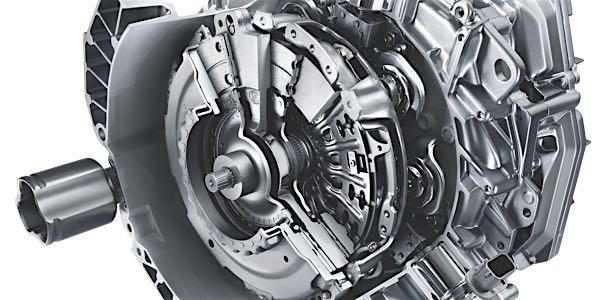
Dual Clutch Transmission Maximizing performance with dual-clutch transmission (DCT) is an exciting topic that has garnered significant attention in the automotive industry. DCTs have revolutionized the way cars perform on the road, and this technology has quickly become a popular choice for drivers who demand high performance and precision. In this article, we will explore how DCTs work and how they can be used to maximize performance. A dual-clutch transmission is a type of automatic transmission that utilizes two separate clutches for gear changes. This innovative technology allows for lightning-fast gear changes, and because there is no interruption in power delivery, the car can accelerate faster and more smoothly. The two clutches in a DCT operate independently, one controlling odd gears and the other controlling even gears. When a gear change is required, the DCT will engage one clutch while disengaging the other, allowing for nearly instantaneous gear changes. The global dua...

Hypercar Has Come Into Use for the Highest Performing Supercars

Image
  Hypercar Amory Lovins, an energy analyst, created the Hypercar as a design concept car at the Rocky Mountain Institute. This car would have an aerodynamic body made of cutting-edge composite materials, a low drag design, and a hybrid drive. According to the Hypercar's designers, compared to current vehicles, it would achieve a three- to five-fold improvement in fuel economy, equal or better performance, safety, amenity. The Center was established by the Rocky Mountain Institute (RMI) in 1994 in order to demonstrate Hypercar the Hypercar's technical viability and market viability. To encourage as much competition as possible in capturing the concept's manufacturing and market advantages. The "Hypercar" was envisioned as a "hybrid electric/hydrogen-fueled family vehicle that had only a few parts, was made of lightweight carbon but was stronger than steel, used existing technologies, weighed half as much as a normal car of its size, and could travel the equ...

Logistics manages the flow of resources from the point of production to the point of consumption

Image
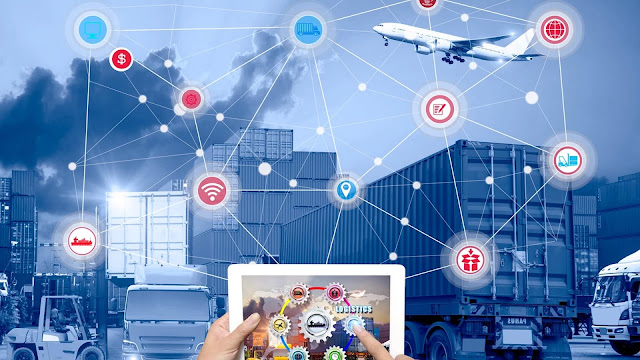
  Logistics The term "logistics" describes the overall process of controlling the acquisition, storage, and delivery of resources to their intended location. Choosing potential distributors and suppliers and evaluating their efficiency and accessibility are all part of logistics management. The term "logisticians" is used to describe logistics managers. The term "logistics" was originally coined by the military to describe the methods used by military personnel to acquire, store, and transport equipment and supplies. The phrase is now frequently used in the business world, especially by organisations in the manufacturing sectors, to describe the management and movement of resources along the supply chain. The Global Logistics Market is estimated to account for US$ 8627.4 Mn in terms of value by the end of 2027, exhibiting a CAGR of 5.3% during the forecast period (2020-2027). Simply put, logistics management aims to have the proper quantity of an ...